Source Dish Cleaning Brushes for Kitchen, Bath, and Floor
Compare 30 dish cleaning brushes with varied materials like wood and plastic, featuring customization options and diverse styles. Buyers can evaluate specifications, MOQs, and origins to find suitable cleaning tools for kitchen, bath, and floor applications.
Key considerations
Products List


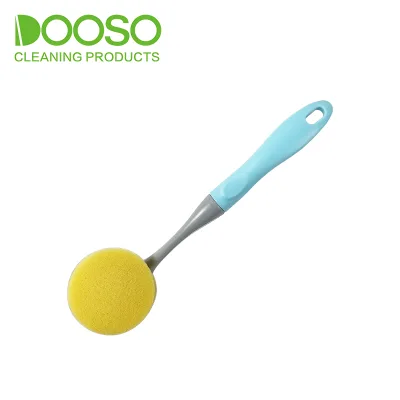


Comprehensive Sourcing Guide
Strategic Sourcing Guide for Dish Cleaning Brushes
Understanding Product Variations and Technical Specifications
The market for dish cleaning brushes presents a diverse landscape where functional design meets material science. Buyers must first recognize that "dish cleaning brush" is not a monolithic product category but a collection of items varying significantly in handle composition, bristle configuration, and overall dimensions. Based on observed product attributes, the primary material distinction lies between plastic brush heads and wooden handles. This combination is frequently cited as a premium option, offering a balance between the durability of plastic and the aesthetic appeal of wood. The wooden handle variant, often labeled as a "Dish Brush with Wooden Handle," suggests a specific ergonomic design intended for heavy-duty kitchen tasks, distinguishing it from all-plastic alternatives.
Dimensions are a critical technical specification that directly impacts usability and shipping logistics. Observed data indicates a wide range of standard sizes, with specific product models adhering to precise measurements. For instance, one configuration measures 28.556 CM, while another is listed at 275.35.5, and a third at 24x5.5x10cm. These variations are not merely aesthetic; they dictate the reach and leverage a user has during cleaning. A brush measuring 24x5.5x10cm offers a different center of gravity compared to the 28.556 CM model, influencing the buyer's decision based on the intended user demographic. Furthermore, the product standard often references these dimensions, serving as a baseline for quality control. Buyers must verify that the supplier's production runs consistently match these specific millimeter-level tolerances to ensure the product fits standard kitchen sinks and dish racks.
The packaging method is another technical differentiator that affects shelf presence and protection. The supply chain data reveals three distinct packaging styles: OPP Bag, Hang Tag, and Swing Card. An OPP Bag is typically a cost-effective, transparent solution suitable for bulk shipping but offers less retail visibility. In contrast, a Hang Tag or Swing Card implies a retail-ready presentation, often requiring more complex assembly and higher packaging costs. The choice of packaging should align with the target market's retail environment. For example, a product sold in a supermarket might require a Swing Card for hook display, whereas a wholesale buyer might prefer OPP bags to minimize shipping volume. The weight of the product, observed at 66g for certain models, also plays a role in freight cost calculations, particularly when shipping large quantities where weight is a primary cost driver.
Compliance, Certification, and Regulatory Standards
In the B2B procurement of cleaning tools, regulatory compliance is a non-negotiable aspect of supplier evaluation. While the product itself is a mechanical cleaning tool, the materials used, particularly the wood and plastic components, must meet safety standards for food contact and general consumer safety. A key certification observed in the supply data is BSCI (Business Social Compliance Initiative). This certification is critical for buyers operating in markets with strict labor and ethical sourcing requirements. It indicates that the manufacturer adheres to specific social compliance standards regarding working conditions, child labor, and fair wages. Procurement teams should verify that the BSCI certificate is current and covers the specific factory location producing the order, as certifications are often site-specific.
Beyond social compliance, buyers must investigate material safety certifications that are not explicitly listed in the general product data but are industry-standard for kitchenware. The wooden handles, often sourced from regions like Zhejiang, China, must be treated to prevent mold growth and ensure they do not leach harmful substances when in contact with water and food residues. Similarly, the plastic brush heads must be food-grade and free from harmful phthalates or BPA, especially if the brushes are used for cleaning dishes that will hold food. Although specific test results are not provided in the source data, buyers should request Material Safety Data Sheets (MSDS) or specific food-contact compliance reports from the supplier. The absence of a stated standard for the material composition in the provided text means the buyer must explicitly define this requirement in the purchase order to avoid receiving substandard materials.
The origin of the product is another compliance factor. The data indicates origins in both China and Zhejiang, which is a province within China. While this is a major manufacturing hub, buyers should be aware of the specific regulatory environment of the exporting region. For instance, products originating from Zhejiang may have different export documentation requirements compared to other regions. Additionally, the "Customized" attribute suggests that the supplier offers OEM/ODM services, allowing for logo and packaging modifications. When customization is involved, the compliance burden increases, as the buyer becomes responsible for ensuring that the custom elements (such as printed logos) also meet local advertising and safety regulations. The supplier's ability to provide a certificate of origin is essential for determining tariff classifications and potential trade duties.
Cost Drivers and Economic Considerations
The economics of sourcing dish cleaning brushes are influenced by a complex interplay of material costs, order volume, and customization requirements. The observed Minimum Order Quantity (MOQ) ranges from 1,000 to 10,000 units, with specific models requiring 2,000, 3,000, or 5,000 pieces. This variance suggests that the cost structure is highly sensitive to volume. Smaller MOQs, such as 1,000 or 2,000 pieces, often carry a higher unit price due to the fixed costs of machine setup and material procurement. Conversely, larger orders allow for economies of scale, potentially lowering the per-unit cost but requiring significant capital outlay and storage capacity. Buyers must calculate the total landed cost, which includes the unit price, shipping, insurance, and duties, rather than focusing solely on the factory gate price.
Customization is a primary cost driver in this category. The data confirms that customization is available, with options for product, logo, and packaging. However, this service comes with a premium. The "Sample Time" for customized samples is listed as 7-14 days, indicating a more complex production process than standard stock items. This extended lead time for sampling translates to a longer overall project timeline and potentially higher costs for tooling or mold creation if new designs are required. The "Our Advantage" section highlights acceptance of customization, but buyers should negotiate a clear cost structure for these services. Are there setup fees? Is the unit price higher for custom logos? These factors must be quantified before placing an order.
The delivery timeline is another significant economic factor. The observed delivery time is 35-50 days after confirmation. This lead time must be factored into inventory planning. If a buyer orders 5,000 units with a 50-day lead time, they must ensure they have sufficient cash flow to cover the production period before the goods arrive. Any delays in this window can disrupt the supply chain, leading to stockouts and lost sales. The "Stocked" attribute for some products suggests that certain items are available for immediate shipment, which could reduce lead times and associated holding costs. However, relying on stocked items limits customization options. Buyers must weigh the cost of waiting for a customized production run against the higher unit price of a stocked, non-customized item.
Typical Applications and Usage Scenarios
Dish cleaning brushes are designed for a variety of household and commercial applications, with the primary focus on kitchen and bathroom environments. The observed usage data explicitly lists "Kitchen," "Bath," "Toilet," and "Window," indicating a versatile product line. However, the specific design features suggest that certain models are optimized for specific tasks. The "Dish Brush with Wooden Handle" is clearly intended for kitchen use, where the durability of wood and the grip provided by the handle are advantageous for scrubbing pots, pans, and dishes. The "Kitchen Cleaning Brush" and "Kitchen Gadgets" keywords reinforce this primary application.
The versatility of these brushes extends beyond the kitchen sink. The inclusion of "Toilet" and "Window" in the usage list suggests that some models may have bristle stiffness or handle lengths suitable for cleaning hard-to-reach areas or different surface textures. For example, a brush with a longer handle might be more effective for cleaning windows, while a compact design might be preferred for toilet bowls. The "Multicolor" and "Bicolor" attributes indicate that color coding is often used to differentiate between these applications. A buyer might use a specific color for kitchen tasks and another for bathroom cleaning to prevent cross-contamination, a practice that is common in professional cleaning operations.
The "Cleaning Tool" function is broad, but the specific mention of "Dish Cleaning Set" implies that these brushes are often part of a larger ecosystem of cleaning supplies. In a retail context, these brushes might be sold as part of a bundle with sponges, scrubbers, or dish soap. The "Modern" style attribute suggests that the design is not purely utilitarian but also considers aesthetic appeal, making them suitable for display in modern home goods stores. The "Hand" style indicates that these are manual tools, relying on human effort rather than mechanical automation. This distinction is important for buyers targeting markets where manual cleaning is the norm or where the tactile experience of cleaning is valued.
Supplier Evaluation and Quality Assurance
Evaluating suppliers for dish cleaning brushes requires a rigorous assessment of their production capabilities, quality control systems, and responsiveness. The presence of BSCI certification is a strong starting point, indicating a commitment to social compliance. However, buyers should go beyond this single metric. The ability to offer OEM/ODM services, including logo and packaging customization, demonstrates a level of flexibility and technical capability. Suppliers who can manage complex customization requests are often better equipped to handle quality control issues and adapt to changing market demands.
Quality control should be a central part of the supplier evaluation process. Buyers must verify that the supplier has a robust QC system in place to ensure consistency in dimensions, material quality, and finish. The observed variations in product standards, such as 19.5x7.5x3.6cm versus 28.556CM, highlight the need for precise manufacturing. A supplier that cannot maintain these tolerances will produce inconsistent products, leading to customer dissatisfaction. Buyers should request a quality control plan that outlines inspection points, sampling methods, and acceptance criteria. The "Stocked" attribute suggests that the supplier maintains inventory, which can be a proxy for their ability to manage production schedules and maintain quality over time.
Communication and responsiveness are also critical factors. The sample time of 7-14 days for customized samples indicates a turnaround time that buyers should expect. A supplier that can provide samples quickly and accurately is likely to be more responsive during the production phase. Buyers should also assess the supplier's ability to handle the "Delivery Time" of 35-50 days. Delays in this window can have significant downstream effects. A reliable supplier will provide regular updates on production progress and proactively communicate any potential issues. The "Our Advantage" of accepting customization should be backed by a clear process for managing these requests, including timelines and cost implications.
Long-Term Procurement and Strategic Sourcing
Sourcing dish cleaning brushes is not a one-time transaction but a long-term relationship that requires strategic planning. The wide range of MOQs, from 1,000 to 10,000 units, suggests that buyers should plan their orders based on demand forecasts and inventory turnover rates. For high-volume buyers, negotiating lower MOQs or securing volume discounts can significantly improve profitability. Conversely, for smaller buyers, the higher MOQs may require a consortium approach or a focus on stocked items to minimize risk.
The customization aspect offers a unique opportunity for brand differentiation. By leveraging the OEM/ODM capabilities, buyers can create a unique product identity that stands out in a crowded market. However, this requires careful management of the supply chain to ensure that the custom elements do not compromise quality or lead times. The "Sample Time" of 7-14 days should be factored into the product development timeline to avoid delays in market launch. Buyers should also consider the lifecycle of the product. As trends shift, the demand for specific styles, such as "Modern" or "Hand" styles, may change. A flexible supplier who can adapt to these changes will be a valuable long-term partner.
Sustainability is an emerging consideration in the cleaning tools market. The use of wooden handles and plastic brush heads raises questions about the environmental impact of the product. Buyers should inquire about the source of the wood, whether it is sustainably harvested, and the recyclability of the plastic components. While not explicitly stated in the provided data, these factors are increasingly important to consumers and retailers. A supplier who can provide information on sustainable sourcing and eco-friendly materials will have a competitive advantage. Additionally, the packaging choices, such as OPP bags versus Swing Cards, have environmental implications. Buyers should evaluate the trade-off between retail presentation and environmental impact when selecting packaging options.
Finalizing the Procurement Strategy
The final step in the procurement process involves consolidating all gathered information into a comprehensive strategy. Buyers must balance the technical specifications, compliance requirements, cost drivers, and supplier capabilities to make an informed decision. The observed data provides a solid foundation, but it is essential to verify these details with the supplier directly. The specific dimensions, material compositions, and certification statuses should be confirmed in the purchase order to ensure alignment with expectations.
The procurement strategy should also include a contingency plan for potential disruptions. Given the 35-50 day lead time and the potential for customization delays, buyers should maintain a buffer in their inventory levels. Diversifying the supplier base, if possible, can mitigate the risk of supply chain interruptions. Finally, buyers should establish clear performance metrics for the supplier, including on-time delivery rates, quality defect rates, and responsiveness to inquiries. Regular performance reviews will help maintain a high standard of service and ensure that the long-term relationship remains mutually beneficial. By adhering to these principles, buyers can successfully navigate the complex market for dish cleaning brushes and secure a reliable supply of high-quality products.
FAQs
Can I customize the logo and packaging for dish cleaning brushes?
Yes, customization for product, logo, and packaging is accepted by the supplier. This service allows for tailored branding but requires a sample time of 7-14 days for customized samples before full production begins.
What are the minimum order quantities for these cleaning brushes?
The minimum order quantity ranges from 1,000 to 10,000 pieces depending on the specific model. Some models like FYH5139 have an MOQ of 2,000 pieces, while others such as D3 require 5,000 pieces for purchase.
Which certifications do the dish cleaning brush manufacturers hold?
The supplier holds BSCI certification, indicating adherence to social compliance standards regarding labor and ethical sourcing. Buyers should verify that this certificate covers the specific factory location producing their order.
How long is the delivery time after order confirmation?
The delivery time is typically 35 to 50 days after the order is confirmed. This lead time must be factored into inventory planning to avoid stockouts during the production and shipping period.
What materials are used for the brush heads and handles?
The brush heads are made of plastic, while the handles are constructed from wood. This combination offers durability and aesthetic appeal, distinguishing the wooden handle variants from all-plastic alternatives.
Where are these dish cleaning brushes manufactured?
The products originate from China, with specific manufacturing locations noted in Zhejiang province. Buyers should be aware of the export documentation requirements specific to the Zhejiang region for their shipments.
What packaging options are available for these cleaning tools?
Available packaging styles include OPP bags, hang tags, and swing cards. The choice depends on the target market, with swing cards suitable for retail hook displays and OPP bags ideal for bulk shipping.